5 Health Science Review Games Students Actually Enjoy
Looking for engaging health science review games? Discover 5 interactive classroom activities that help students review medical terminology, anatomy, EKG, and PCT patient care skills before tests or spring break.
REVIEW ACTIVITIESGAMESCLINICAL SKILLS & JUDGMENT


Teaching health science can be incredibly rewarding, but reviewing complex material like medical terminology, anatomy, and patient care skills can sometimes feel repetitive for both teachers and students.
If you've ever watched your class slowly lose focus during a traditional review worksheet, you're not alone. Many health science teachers struggle to find ways to review important concepts while still keeping students engaged.
The good news is that review doesn't have to be boring.
With the right activities, review days can become some of the most energetic and productive days in your classroom. Interactive review games help students reinforce critical concepts while encouraging teamwork, critical thinking, and discussion.
Whether you're preparing students for a unit test, certification exam, or simply reinforcing key concepts before spring break, these health science review games can help your students stay engaged while strengthening their understanding of important healthcare topics.
Why Interactive Review Works in Health Science Classrooms
Health science courses often cover a wide range of complex topics, including:
medical terminology
anatomy and physiology
infection control
patient care procedures
healthcare ethics
clinical skills
Simply rereading notes or completing worksheets isn't always the most effective way for students to retain this information.
Interactive activities improve learning because they encourage:
Active participation
Students learn more when they actively engage with the material rather than passively reviewing it.
Peer discussion
Group review activities allow students to explain concepts to each other, reinforcing understanding.
Critical thinking
Many review games challenge students to apply their knowledge instead of simply recalling definitions.
When students are engaged, they are far more likely to remember what they've learned.
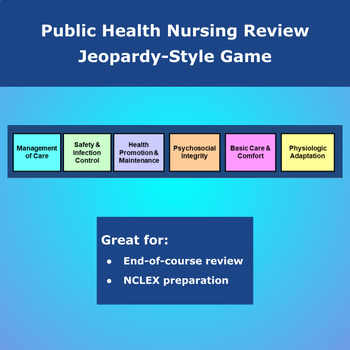
1. Health Science Jeopardy
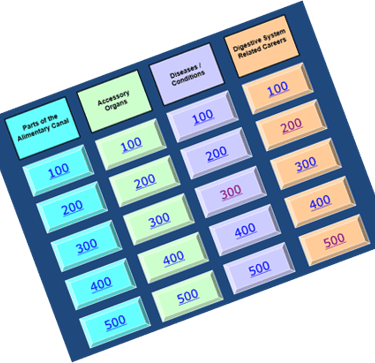
One of the most popular health science review games is a classroom version of Jeopardy.
This activity works well for reviewing almost any topic, including anatomy, patient care procedures, and medical terminology.
How to Play
Divide the class into small teams and create categories related to your current unit. For example:
Medical Terminology
Infection Control
Anatomy & Physiology
Patient Care
Healthcare Careers
Each category should include questions with different point values.
Teams take turns selecting questions, discussing answers, and earning points.
Why Students Love It
The competitive element keeps students engaged while reinforcing important concepts.
This game is especially helpful before tests because it allows you to review a wide variety of material quickly.
2. Medical Terminology Bingo
Medical terminology can be one of the most challenging aspects of health science courses for students.
A medical terminology review game like Bingo helps reinforce vocabulary in a fun and memorable way.
How to Play
Create Bingo cards filled with medical terms.
Instead of calling out the word itself, read the definition. Students must identify the correct term on their card.
Example:
Definition: Inflammation of the liver
Answer: Hepatitis
Students mark the correct word if they have it on their card.
Why It Works
This activity forces students to actively connect definitions with terminology, which helps reinforce long-term memory.
3. Patient Care Scenario Challenge
One of the most valuable review activities for health science students is working through realistic patient scenarios.
These scenarios help students apply classroom knowledge to real healthcare situations.
How to Play
Provide students with short patient care scenarios such as:
A patient experiencing symptoms of hypoglycemia
A patient requiring infection control precautions
A patient with abnormal vital signs
Students work in small groups to answer questions such as:
What is the most likely issue affecting the patient?
What actions should a healthcare worker take?
What safety precautions should be followed?
Why This Activity Is Effective
Patient scenarios encourage students to think like healthcare professionals. Instead of memorizing facts, they must apply their knowledge to real-world situations.
This type of review is particularly helpful for students preparing for healthcare certification exams.
4. Anatomy Relay Race
If your students have been studying anatomy and physiology, an anatomy review game that involves movement can be incredibly engaging.
How to Play
Divide students into teams and provide each team with anatomy diagrams.
Place labeled body structures or definitions on the opposite side of the classroom.
Students take turns running to retrieve the correct label and placing it on their team's diagram.
Examples may include:
labeling bones
identifying organ systems
matching structures to functions
Why Students Enjoy It
Many health science students enjoy hands-on activities. Adding movement to review helps keep students energized and focused.
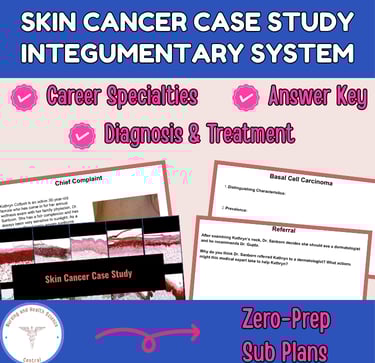
5. Healthcare Case Study Investigation
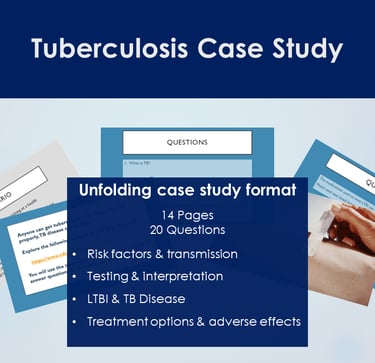
Case studies are one of the most powerful teaching tools in health science education.
Instead of simply reviewing content, students investigate a healthcare scenario and determine what happened.
Example Case Study Topics
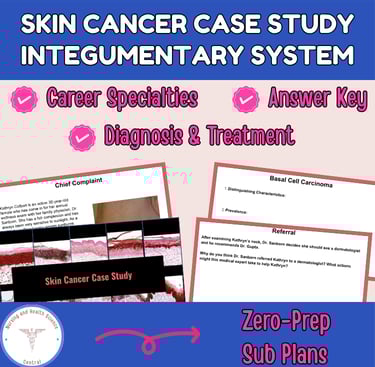
Skin cancer diagnosis
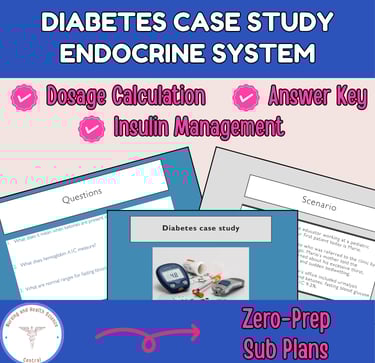
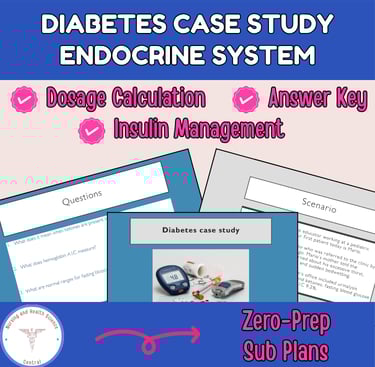
Diabetes management
Dehydration in elderly patients
Students review the scenario and answer questions such as:
What symptoms indicate the problem?
What healthcare interventions are needed?
How could the issue have been prevented?
Why Case Studies Work
Case studies allow students to practice clinical reasoning, which is a critical skill for future healthcare professionals.
They also help connect classroom learning to real healthcare situations.
Tips for Successful Health Science Review Activities
If you're planning review games in your health science classroom, a few simple strategies can make them even more effective.
Keep Groups Small
Small groups encourage participation from all students and prevent a few students from dominating the activity.
Mix Review Formats
Using a variety of activities helps maintain student engagement. Consider alternating between:
games
case studies
discussion-based review
hands-on activities
Encourage Discussion
Sometimes the most valuable learning happens when students explain their thinking to classmates.
Allow time for teams to discuss answers before revealing the correct response.
Making Review Days More Engaging
Review days don't have to feel like a chore for teachers or students.
By incorporating health science review games, you can transform review sessions into engaging learning experiences that reinforce key concepts while helping students prepare for exams and real healthcare situations.
Whether you're teaching medical terminology, anatomy and physiology, or patient care skills, interactive review activities can make a significant difference in how well students retain the material.
When students are actively involved in the learning process, they're far more likely to remember what they've learned—and that's exactly what we want in healthcare education.